Fairmont Mara Safari Club is a riverfront lodge inside the Masai Mara National Reserve, one of the older luxury properties in the area, and the place I ended up spending four nights this past trip. I got there a little after 2pm and by dinner I had already told the front desk I wanted to push my checkout back a day.
Four nights, three days of game drives, booked through Holiday Kenya Safaris after months of half-planning a trip to the Mara and never actually doing it.
My room faced the river. First evening I counted eleven hippos from the deck, could hear a lot more than that. Nobody warns you how loud hippos actually are at night, for the record.
Holiday Kenya Safaris built the itinerary around what I told them on the phone, more or less. I wanted proper downtime, not back-to-back activities every hour. They got that part right. Some mornings started with a 6am game drive, some didn’t start until nine. Below is what four days at this lodge actually looked like, in case you’re trying to figure out if it’s the right Masai Mara accommodation for your own trip.
History of Fairmont Mara Safari Club
The lodge opened in 1989 under the Fairmont Hotels and Resorts name, built to combine Maasai design with a more international standard of comfort. You can still see that mix walking through the camp today, thatch and canvas next to the kind of service you’d expect from a city hotel.
The land itself is leased, 100 acres that belonged to the late Maasai chief Lerionka Ole Ntutu. Before it was a lodge it was a hunting camp, then got repurposed for photographic safaris after Kenya banned hunting in 1976. Being right on the Mara River probably had a lot to do with why it was picked for this.
Fairmont took over the property in 2005, along with a handful of other Kenyan hotels, and rebranded it under their name. That’s roughly when the place started showing up on more international travellers’ radars instead of just being known locally.
Sustainability at Fairmont Mara Safari Club
I wasn’t expecting to care about any of this going in. I wanted fresh air and a break from work, that was about it. But you end up learning things here whether you ask or not.
One morning I joined a seed ball activity, basically scattering native seed mixes across a patch of savannah to help bring back tree cover that’s been lost over the years. There are also beehives on the property, kept for pollination as much as for the honey, and yes, I brought a jar home.
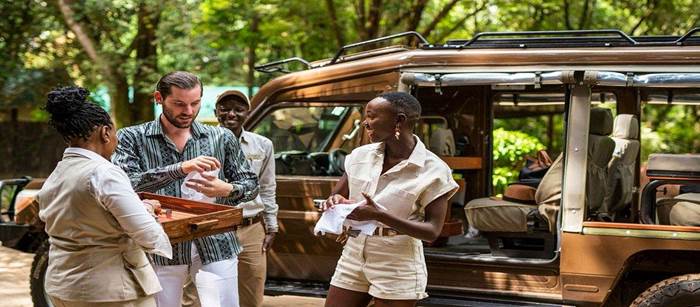
The bigger thing, the one that actually stuck with me, is that the lodge sits on the Olchoro Oiriua Conservancy, land owned by 177 Maasai families. Every night guests spend here goes toward supporting local schools, training programs, and women’s initiatives on the conservancy. One of the staff, a young woman working front of house, mentioned she’d trained through a Fairmont-backed hospitality program based right there. Small detail, but it changed how I thought about the whole stay.
Location
The lodge sits inside the Masai Mara National Reserve, right along the Mara River, with the kind of views you’d expect: open plains, acacia trees, wildlife moving through at its own pace. What I liked most researching this beforehand was how private it felt on paper, and that held up in person. You’re deep inside a very famous reserve but far enough from the main routes that it never feels crowded. Good fit if you’re after a higher-end Masai Mara lodge and don’t want to compromise on comfort, or if you’re a couple wanting something quieter, or travelling solo and want the space to just think for a few days.
Accommodation
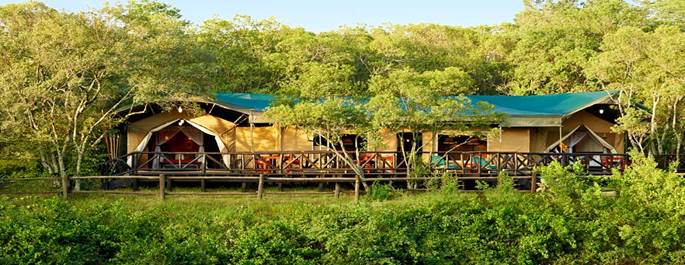
The outside of the camp is low-key, built to sit into the riverbank rather than stand out from it. Step inside a tent though and it stops feeling remote at all. Closer to a boutique hotel room that happens to have canvas walls.
There are 38 deluxe waterfront tents (some listings mention up to 51 across the wider property), each with a private deck facing the river.
These aren’t basic tents, in case that’s what comes to mind. Inside you get a king-size bed, decent sheets, a four-poster mosquito net, robes and slippers, and wooden furniture that keeps some warmth in the room instead of feeling like a hotel box. Most tents sleep two to four people, and there’s a queen-bed layout for up to three if that fits your group better.
Amenities
Rooms
Big bed, soft pillows, sheets that actually felt clean after a dusty game drive. The room opened straight onto the river and I spent a fair amount of time just sitting on the deck watching hippos do nothing in particular. Bathroom was modern, hot water worked every time, which mattered more than I expected given how cold the mornings get out there.
Restaurant
Open-sided, a lot of natural light, tables spaced out enough that it never felt loud even when full. The buffet was the real problem, in a good way, too much to choose from. One of the chefs caught me hovering over the spread on day one, walked over, pointed at something I hadn’t tried, and told me to go for it. He was right. By day two I was checking in with him most meals to see what he’d recommend.
Lounge and Bar
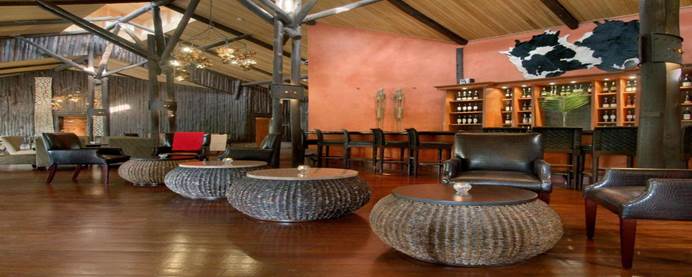
Sat here one evening after dinner with a drink, watching the sun go down over the river. Lost about an hour without meaning to. Not a big flashy space, just a comfortable one, the kind of place that becomes part of the routine without you planning for it to.
Swimming Pool
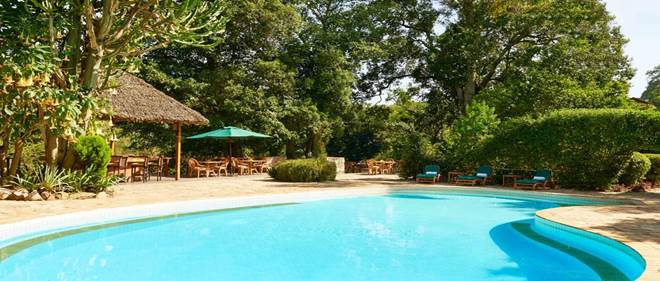
After one particularly dusty morning drive I went straight from shower to pool. Shallow end, deep end, nobody rushing me anywhere. I ended up back there most afternoons, just floating, not really thinking about anything. Small thing, but it was probably my favorite part of the stay by the end.

Best Activities at Fairmont Mara Safari Club
Morning Game Drives
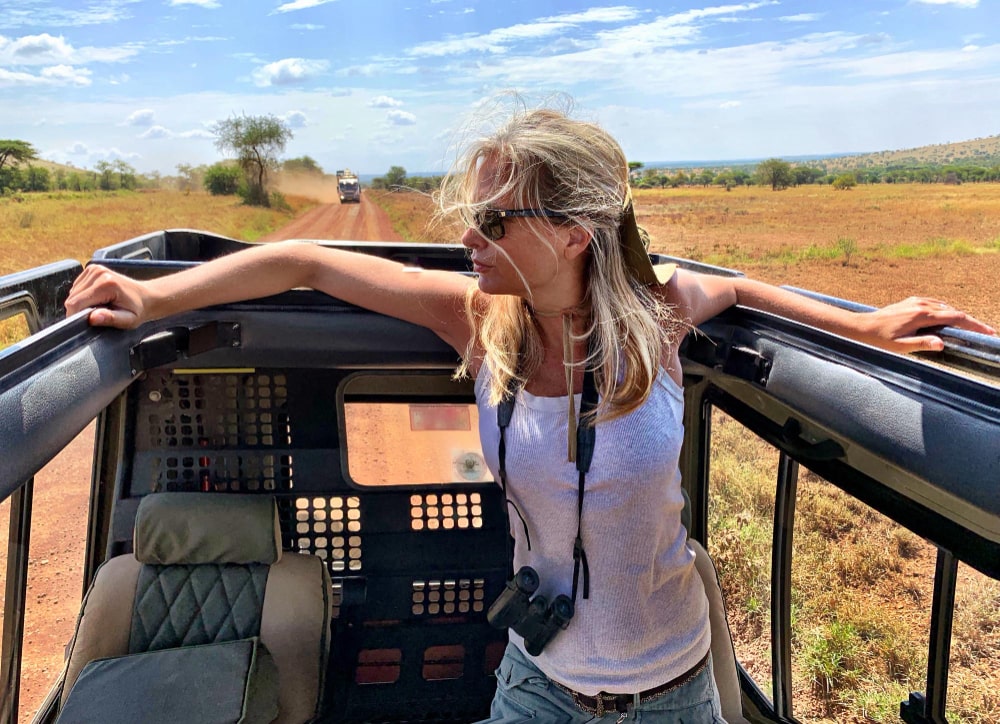
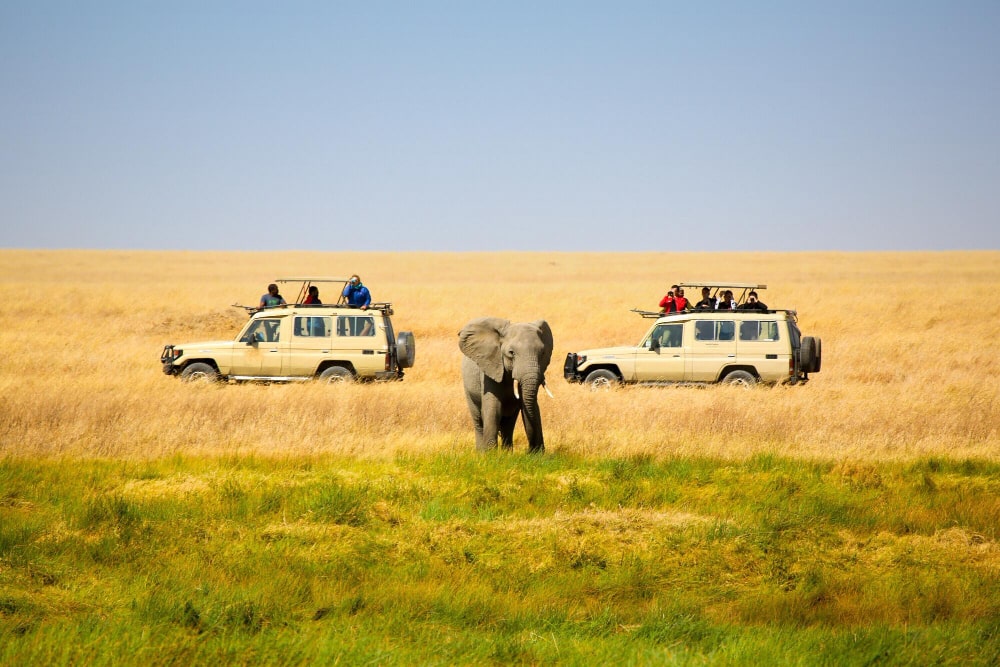
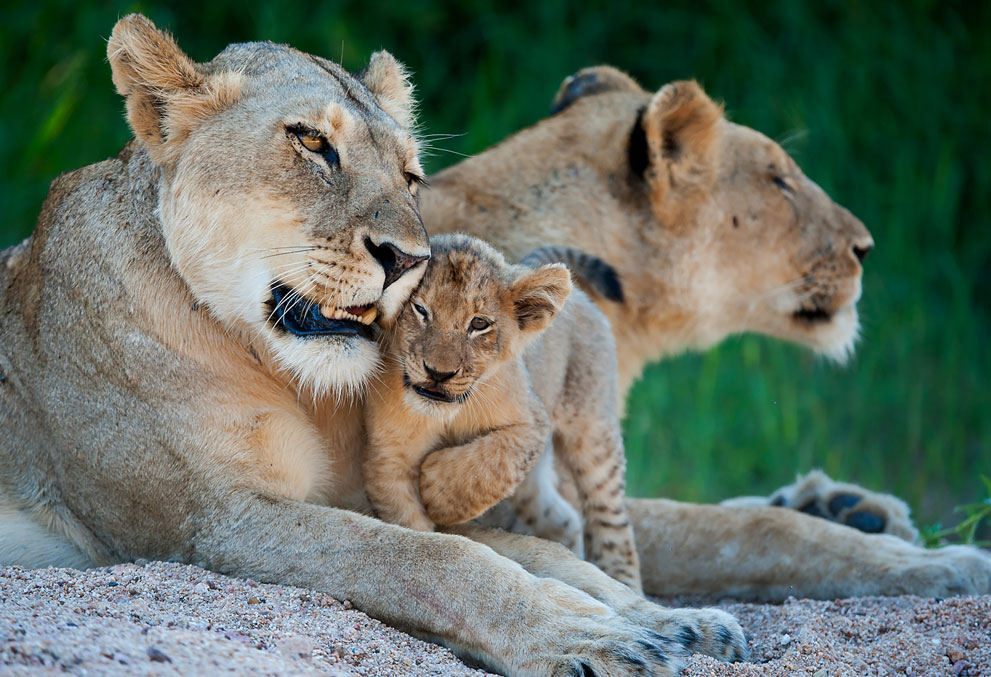
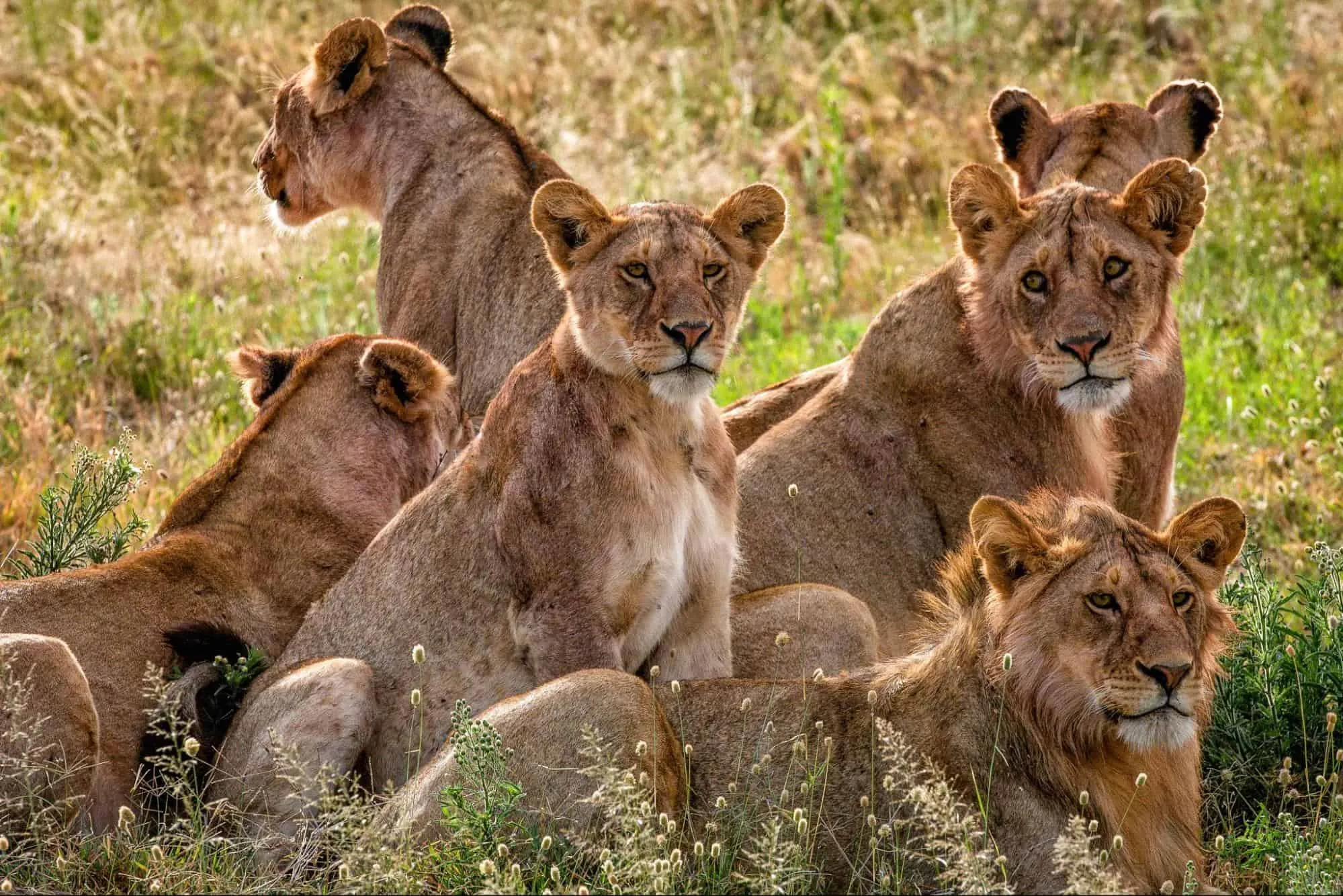
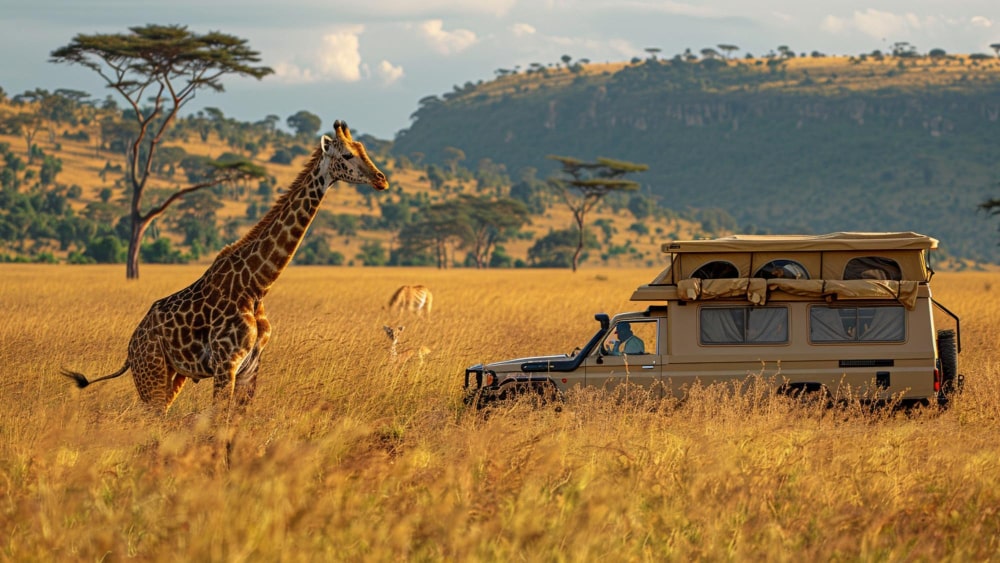
Lions in the early sun, elephants crossing in the distance, the usual cast. Our guide, arranged through Holiday Kenya Safaris, was good at pointing out things I’d have driven right past on my own.
Nature Walks
Slower pace, more detail. Learned to spot animal tracks, saw a couple of bird species I didn’t even know existed in the area. Worth doing alongside the drives, not instead of them.
Wildlife Photography
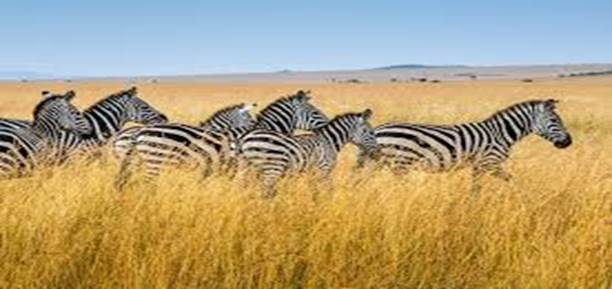
You don’t need to know what you’re doing with a camera here. The guides know where the light is good and where the animals tend to sit still long enough for a decent shot.
Cultural Experience
Spent an afternoon with a local Maasai community, heard some of their history, tried beadwork, which I was bad at. Good reminder that the Mara isn’t just the animals. There are people whose whole lives are tied to this land.
Frequently Asked Questions
Are game drives suitable for beginners?
Yes. Holiday Kenya Safaris uses experienced guides who pace the drives for first-timers and explain what you’re looking at as you go.
Can I customise my safari with Holiday Kenya Safaris?
Yes, they can build 3-day, 5-day, or longer trips depending on what you’re after.
What should I pack for a safari at Fairmont Mara Safari Club?
Layers, since mornings are cold and afternoons aren’t. Comfortable shoes, a hat, sunscreen, insect repellent, a power bank, and a camera or binoculars for the drives.
How safe is the Mara for first-time visitors?
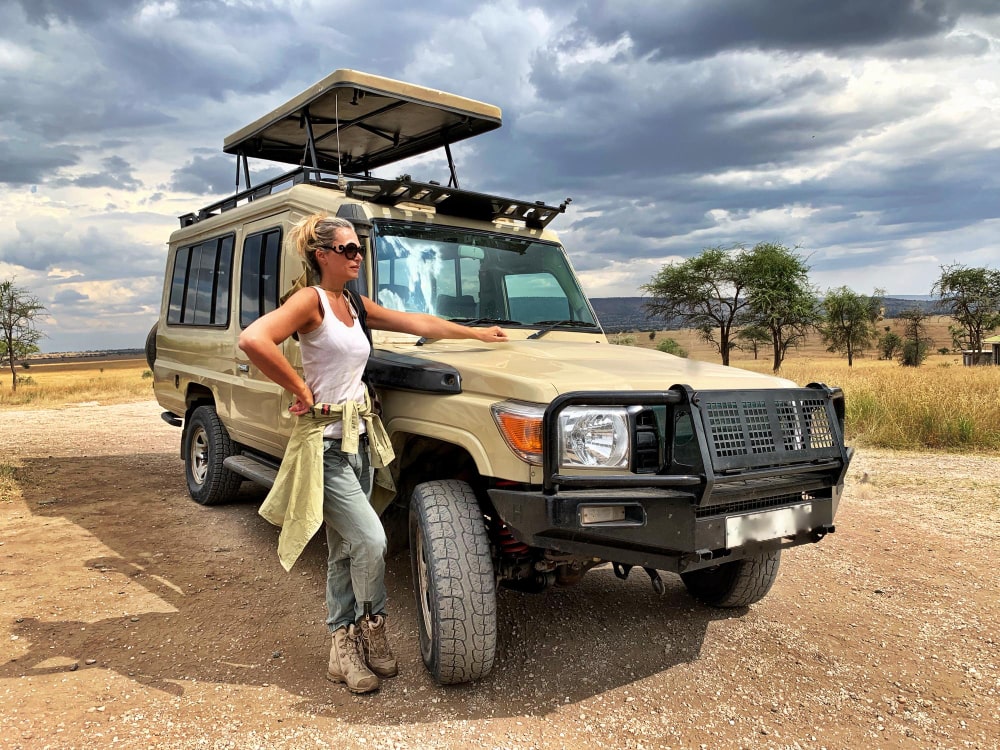
Safe, as long as you follow your guide. Holiday Kenya Safaris uses professional guides and well-maintained vehicles and takes safety protocols seriously throughout.
Are special occasions like birthdays and anniversaries accommodated?
Yes. Holiday Kenya Safaris can set up a surprise, a private sundowner, or small personal touches in your room if you let them know in advance.
Final Thoughts
Four days turned into something more than a safari for me, closer to a proper reset. I left calmer than I arrived, and I’ve mentioned this lodge to more people than I meant to since getting back.
If you’re looking into Fairmont Mara Safari Club for your own trip, Holiday Kenya Safaris can put together an itinerary around whatever matters most to you, whether that’s the game drives, the river-facing rooms, or just not having to think about the logistics yourself.